

Dhamma Hall : ค้นหาหนังสือธรรมะ หน้า 3 / 4
หน้าหนังสือทั้งหมด
59
Understanding Dhamma and Nibbāna
The parallel usage of dhammakāya and dhammabhūta with brahmakāya and brahmmabhūta suggests further that the term dhamma in the passage should refer to Nibbāna. Indeed, it is possible also to say that
This study delves into the concepts of dhamma and Nibbāna, positing that dhamma refers to transcendental dhamma, which serves as a transformer and defilement eradicator. It explores how the realizatio
67
Understanding Dhammakāya in Relation to Paccekabuddhas and Enlightenment
early texts that 'dhammakāya' must be singular. 100 In any case, the verse conveys the meaning that a Paccekabuddha has dhamma(s) as his body (or bodies), where 'dhammas' refers to the qualities perta
This study analyzes the term 'dhammakāya' and its relation to enlightenment. Dhammakāya is presented as a singular concept applying to both the Buddha and Paccekabuddhas, emphasizing that 'dhamma' ref
70
The Essence of Dhamma-Milk in Spiritual Growth
related also to the happiness arisen from the realisation of truths, as
mentioned in the previous verse.
In verse 33, Gotami is said to have been fed on the ‘dhamma-milk.’105 Because it is fed to her
The concept of dhamma-milk represents spiritual nourishment derived from the Buddha's teachings, leading to inner peace and realization of truths. Gotami's declaration signifies the transition from ph

79
ดวงธรรมและธรรมกาย
ง น้ อ ง 1 4 ก
อง
at the centre of the body....
(หลวงพ่อวัดปากน้ำสอนไว้ว่า ที่ศูนย์กลางกายของเรานั้นมีดวงธรรมปรากฏอยู่...
...It is this sphere of Dhamma that makes the body of ours exist.
[...ดวงธรรมน
(หลวงพ่อวัดปากน้ำสอนไว้ว่า ที่ศูนย์กลางกายของเรานั้นมีดวงธรรมปรากฏอยู่... ...It is this sphere of Dhamma that makes the body of ours exist. [...ดวงธรรมนี้แหละ ที่ทำให้ร่างกายเรามีชีวิตอยู่ได้...] ...I

60
การเผยแผ่พระพุทธศาสนาในเนปาล
หากจะนึกถึงจิตใจของชาวพุทธในเนปาลแล้ว กล่าวได้ว่าเราไม่อาจรับรู้ถึงความรู้สึกที่แท้จริง
ของชาวพุทธ ที่เกิดมาบนแผ่นผืนดินที่มีศาสนาอื่นเป็นศาสนาประจำชาติได้เลย เราไม่อาจ
รับรู้ถึงรสชาติของความอดทน
เสมื
หากจะนึกถึงจิตใจของชาวพุทธในเนปาลแล้ว กล่าวได้ว่าเราไม่อาจรับรู้ถึงความรู้สึกที่แท้จริง ของชาวพุทธ ที่เกิดมาบนแผ่นผืนดินที่มีศาสนาอื่นเป็นศาสนาประจำชาติได้เลย เราไม่อาจ รับรู้ถึงรสชาติของความอดทน เสมื

54
การเลี้ยงดูเด็กให้ฉลาดและมีคุณธรรม
utilize the four requisites, how they work, and how they
conduct their daily activities.
Parents can instill wholesomeness, intelligence, and
compassion towards others by teaching their children respe
utilize the four requisites, how they work, and how they conduct their daily activities. Parents can instill wholesomeness, intelligence, and compassion towards others by teaching their children respe
49
Untitled
The text extracted from the image is:
The changes, although just, were not to the liking of many locals long used to illicit dealings through the temple. These turned against him and spread mudslingi
N/A
97
Preservation of Palm-Leaf Scriptures in Dai Buddhism
donate palm-leaf scriptures as an act of merit and such donations
appear less frequently in the sacred dantam (贽坦) or offering
ceremony. Donors prefer to donate Buddhist scriptures printed
using mod
This text discusses the decline in donations of traditional palm-leaf scriptures in favor of more accessible and readable texts printed on Chinese and sa-paper. Reasons include cost, legibility, and t
20
Superior Love through Superior Dhamma
Superior Love
through Superior Dhamma
Because we are human beings, none of us are perfect.
We all come with a baggage of deficiencies. We can
cope with our own deficiencies but we cannot
tolerate some
This text discusses the challenges of living with a partner and how the Dhamma provides guidance for a harmonious family life. It highlights the four virtues: truthfulness, self-control, endurance, an
50
Journey to Dhamma: A Personal Transformation
ERVICE
merits. If I had huge problems, I would make huge
merits. This was how I learned about Wat Phra
Dhammakaya in 2001, under the guidance of a good
fellow (kalyanamitta) from Korat who suggested t
This text chronicles a personal journey of spiritual growth, initiated by the author's experiences at Wat Phra Dhammakaya and the DMC program. From the suggestion of a friend, the author contributed t
54
Raising Smart and Virtuous Children
utilize the four requisites, how they work, and how they
conduct their daily activities.
Parents can instill wholesomeness, intelligence, and
compassion towards others by teaching their children respe
การเลี้ยงดูเด็กอย่างชาญฉลาดรวมถึงการปลูกฝังคุณธรรมและสติปัญญาผ่านการสอนการเคารพวรรณกรรมและประสบการณ์ของคนที่มีคุณธรรม โดยการใช้สี่สิ่งจำเป็นในชีวิตและความวิตกกังวลเรื่องความรู้ทางโลกและผลงานของธรรมะเด
123
The Great Refuge of Humankind: Understanding the Teachings of the Lord Buddha
1. The mentor should have an unambiguous
biography. There must be proof of his life history; it can not
be vague and unreliable.
2. He must be extremely intelligent, exceptionally
virtuous, exceedingl
This text examines the criteria for an exemplary mentor, using the Lord Buddha as a prime example. It highlights the importance of a well-documented biography, exceptional knowledge, and the ability t
123
The Teachings of the Lord Buddha
1. The mentor should have an unambiguous biography. There must be proof of his life history; it can not be vague and unreliable.
2. He must be extremely intelligent, exceptionally virtuous, exceedingl
The mentor should have a clear biography and proven life history. Lord Buddha fits this as His documented life is a testament to His wisdom and virtue. He sought truth independently, achieving enlight
39
Interpretations of Dhammakāya in Early Pāli Texts
Gombrich, while differently translating the term in this passage as a bahubbiha compound 'dhamma-bodied,' similarly interprets it as an indication that the Buddha's true import is due to 'his teaching
This text delves into various scholars' interpretations of the term 'dhammakāya' within the context of early Pāli suttas. Gombrich views it as 'dhamma-bodied,' emphasizing that the essence of the Budd
45
Understanding Dhamma and Spiritual Realization
This corresponds to the set of four activities41 belonging to a Stream-attainer (sotāpattiyānga) which brings about other sets of qualities.
The titles ‘born of dhamma’ (dhammaja) and ‘created by dham
This content discusses the process of spiritual attainment through dhamma, emphasizing four key activities that lead to the emergence of noble qualities. It highlights how listening to the Buddha's te
57
The Concept of Dhamma and Kāya in Buddhist Philosophy
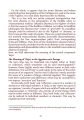
On the whole, it appears that the terms dhamma and brahma constituting four designations of the Tathāgāta are used in the sense of the ‘highest.’ It is most likely that they refer to Nibbāna.
This i
This study examines the terms dhamma and brahma, suggesting that they refer to the highest aspect of Tathāgāta, likely Nibbāna. The term dhamma denotes transcendental realities, transcending the realm
69
The Superiority of Dhamma over Worldly Existence
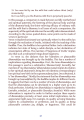
33. You were fed by me the milk that could relieve thirst (only) momentarily; But I was fed by you the dhamma-milk that is perpetually peaceful. In this passage, a comparison is made between worldly m
ในบทความนี้เสนอการเปรียบเทียบระหว่างความเป็นแม่ในโลกกับการเป็นบิดาทางจิตวิญญาณ โดยเน้นที่การดูแลร่างกายทางกายภาพและร่างกายทางจิตวิญญาณ รวมถึงประสิทธิภาพในการบรรเทาความกระหายของนมธรรมดาและนมที่เป็น dha
115
Understanding Boon and Dhamma
Suzanne Jeffrey
Q: How is boon generated?
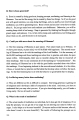
A: Boon is created by doing good acts, keeping precepts, meditating, and listening to the Dhamma. You can feel the energy that is created by these four thing
Boon is generated by good actions, keeping precepts, meditating, and listening to Dhamma. It creates positive energy that purifies the mind. Conversely, baap, or bad energy, arises from negative thoug
54
The Importance of Meditation and Attaining Dhamma
58. THE MOST IMPORTANT DUTY
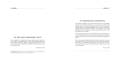
Our perseverance in meditation should grow stronger every single day of our lives. Before I attained Dhamma*, I kept myself mentally focused at all times, whether I was sit
Meditation is emphasized as essential for achieving Dhamma, the ultimate goal in life. The text discusses the author's dedication to meditation, detailing how consistent practice leads to a purified m
17
Dhamma Practice and Understanding in Dhammacakkapavattana Sutta
translation are hampered in their studies both by the scarcity of the original and its archaic language. In spite of the present author's respect for the original use of language, to leave it in its o
This work addresses the challenges of understanding the Dhammacakkapavattana Sutta due to its original language and scarce resources. The author adapts complex passages to modern language while mainta